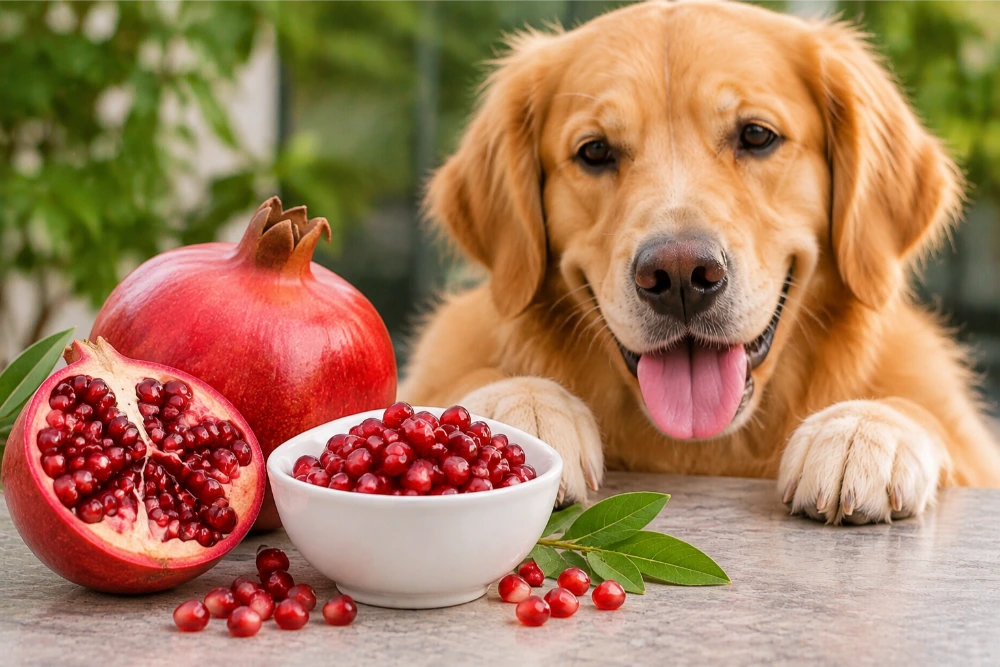
Can Dogs Eat Pomegranate? Benefits, Risks, and Safe Feeding Tips
Pomegranates are colorful fruits packed with nutrients, and their juicy red arils make a popular addition to salads, smoothies, and snacks. If your dog shows interest while you are eating one, you may wonder whether sharing a few pieces is safe.
Pomegranates are not considered inherently toxic to dogs, but fresh pomegranate is not an ideal treat. The juicy arils surrounding the seeds can cause digestive upset, especially when dogs eat larger amounts. The tough rind and stem are more concerning because they are difficult to digest and may cause an intestinal blockage.
If your dog accidentally eats one or two pomegranate arils, there is usually no reason to panic. However, eating a large amount of fruit or any significant amount of rind warrants veterinary advice, particularly if your dog develops vomiting, diarrhea, abdominal discomfort, or unusual tiredness.
This guide explains whether dogs can eat pomegranate seeds, rind, and juice, what the potential benefits are, how to respond if your dog eats the fruit accidentally, and which alternatives may be easier on your dog’s stomach.
Quick Answer: Can Dogs Eat Pomegranate?
Dogs can sometimes tolerate a small amount of fresh pomegranate arils, but feeding the fruit is generally not recommended because it can cause digestive upset. Pomegranate is not considered inherently toxic to dogs, yet that does not mean every part of the fruit is safe to eat.
The edible red arils contain the seed and juicy outer portion. These can be difficult for some dogs to digest, particularly in larger quantities. The rind, stem, and other tough plant material should be kept away from pets.
Here is a quick overview of different pomegranate products.
| Pomegranate product | Is it suitable for dogs? |
| One or two fresh arils | Usually not a reason to panic in a healthy dog, but monitor for symptoms |
| A large amount of fresh arils | May cause digestive upset; contact your veterinarian for guidance |
| Pomegranate rind or peel | Avoid because it is difficult to digest and may cause obstruction |
| Pomegranate stem | Avoid because it can cause digestive problems or obstruction |
| Pomegranate juice | Not recommended as a routine drink or treat |
| Sweetened pomegranate juice | Avoid because of added sugar and possible additional ingredients |
| Chocolate-covered pomegranate seeds | Avoid because chocolate is toxic to dogs |
| Commercial dog food containing pomegranate extract | Generally acceptable when included in a properly formulated product |
| Pomegranate supplements for humans | Do not give without veterinary approval |
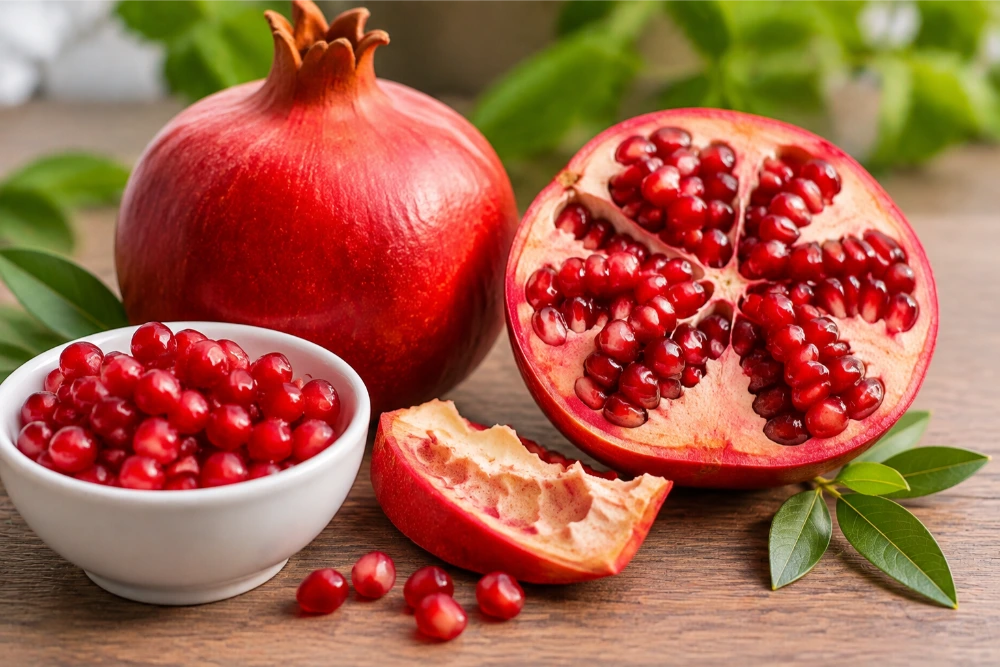
If your dog eats pomegranate accidentally, the amount consumed, the part of the fruit eaten, and your dog’s size and health all matter. Contact your veterinarian if you are unsure how much was swallowed or whether the product contained additional ingredients.
Is Pomegranate Good for Dogs?
Pomegranates contain nutrients that can be beneficial as part of a balanced human diet, including fiber, vitamin C, potassium, and antioxidant compounds. However, the nutritional benefits of this fruit do not automatically make it a good choice for dogs.
Most dogs eating complete and balanced dog food already receive the nutrients they need. Adding fresh pomegranate is unnecessary, and its potential to cause digestive problems may outweigh the benefits of offering it as a treat.
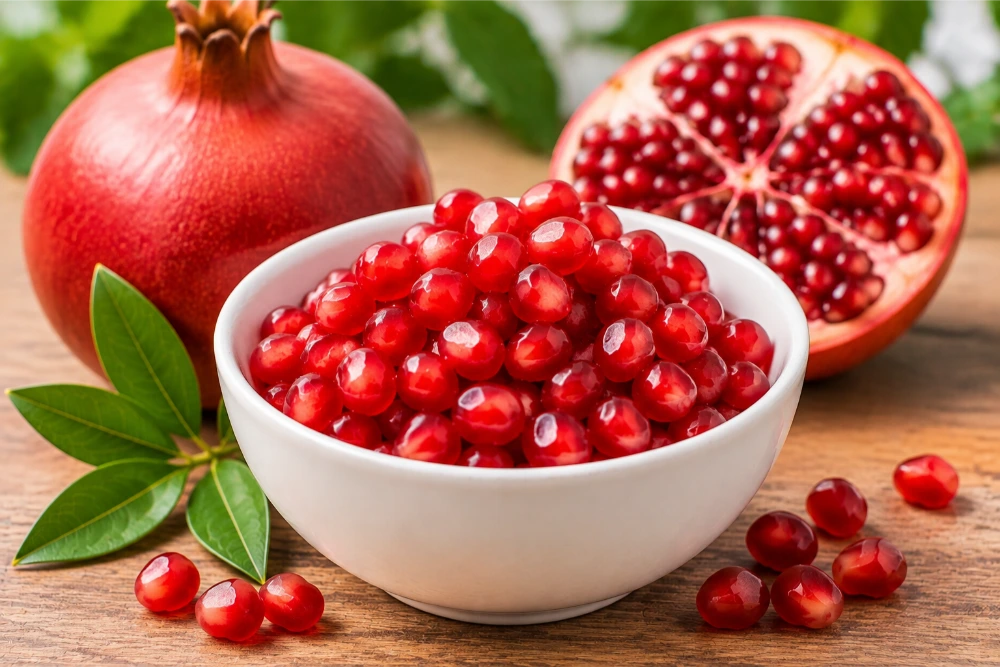
1. Pomegranates Contain Antioxidants
Pomegranates contain polyphenols and other antioxidant compounds that help protect cells from oxidative damage. These compounds are one reason the fruit is often described as a nutritious food for people.
However, there is limited evidence that feeding fresh pomegranate directly to dogs provides meaningful health benefits. You should not rely on the fruit to improve your dog’s immune system or treat an existing health problem.
2. They Provide Vitamins and Minerals
Pomegranates contain vitamin C, potassium, folate, and other nutrients. These substances support various normal bodily functions.
Nevertheless, a dog eating a nutritionally complete diet generally does not need additional nutrients from pomegranate. Giving more fruit does not necessarily improve your dog’s health, especially if it causes digestive upset.
3. Pomegranates Contain Fiber
Fiber supports normal digestive function and is present in many fruits and vegetables. However, introducing an unfamiliar fruit or allowing your dog to eat a large amount can cause digestive discomfort.
Pomegranate arils contain seeds that some dogs find difficult to digest. As a result, the fruit may cause vomiting or diarrhea rather than provide a digestive benefit.
4. Pomegranate Extract Is Different From Fresh Fruit
You may notice pomegranate extract listed as an ingredient in certain commercial dog foods, treats, and supplements.
These products are not equivalent to feeding a dog an entire fresh pomegranate. Commercial formulations may use selected ingredients in controlled amounts, whereas fresh fruit includes seeds and other material that can cause digestive problems.
If you are considering a pomegranate supplement for your dog, choose a product formulated for pets and discuss its suitability with your veterinarian.
Can Dogs Eat Pomegranate Seeds?
Pomegranate seeds and their surrounding juicy arils are not generally considered toxic to dogs, but they are not an ideal treat.
The term aril refers to the juicy red covering surrounding the seed. People commonly eat the entire aril, including its hard inner seed. Dogs may have difficulty digesting this material, particularly if they consume a large quantity.
A small accidental taste is unlikely to cause serious problems in most healthy adult dogs. However, larger amounts can cause gastrointestinal upset, including vomiting and diarrhea.
The safest approach is not to make fresh pomegranate seeds a regular part of your dog’s diet. If your dog has eaten several arils or you are unsure how much it consumed, contact your veterinarian for advice.
Can Dogs Eat Pomegranate Seeds Without the Juice?
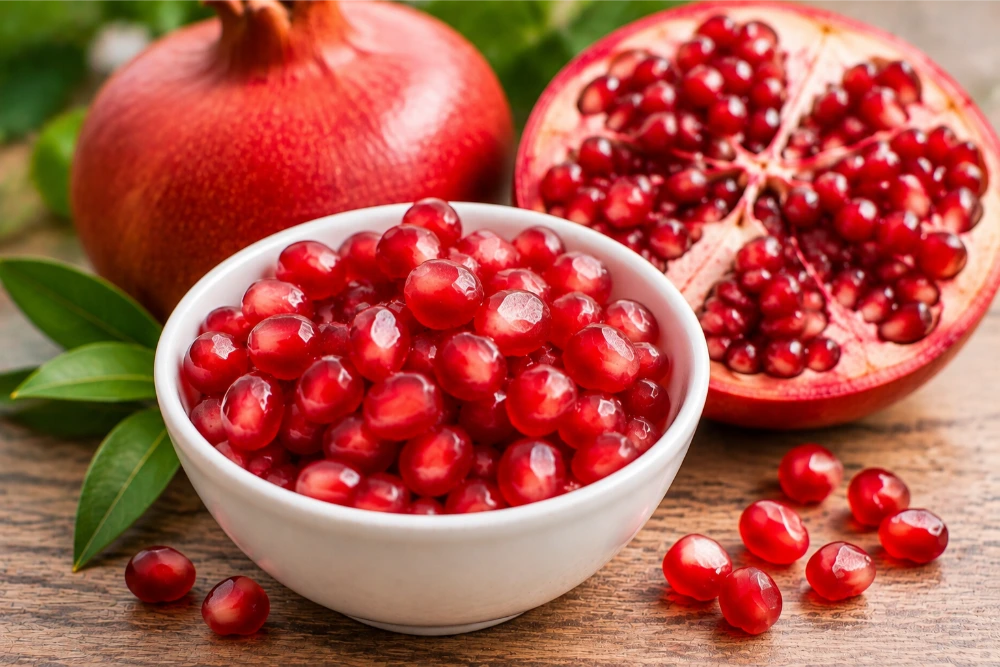
Removing the juice does not necessarily make pomegranate seeds a better choice for dogs. The hard seed material can still be difficult to digest, and the risk of digestive upset remains.
If you want to offer your dog fruit, consider an alternative that is generally easier to serve in small, appropriate portions, such as a few blueberries or a small piece of apple without the seeds or core.
Can Dogs Eat Pomegranate Rind or Peel?
No. You should not give your dog pomegranate rind or peel.
The rind is tough and difficult to digest. If swallowed, it may irritate the digestive system or contribute to an intestinal blockage. The risk can be more concerning for smaller dogs or when a large piece is eaten.
Pomegranate peels also contain plant compounds that are not appropriate to introduce deliberately into your dog’s diet.
When preparing a pomegranate for yourself, keep the rind and discarded pieces out of your dog’s reach. Dispose of them in a secure trash container rather than leaving them on a counter or in an accessible compost bin.
If your dog eats pomegranate rind, contact your veterinarian for advice, especially if a substantial amount was consumed. Seek prompt veterinary care if vomiting, abdominal pain, loss of appetite, or difficulty passing stool develops.
Can Dogs Eat Pomegranate Juice?
Pomegranate juice is not a recommended drink for dogs. Although plain juice may not be inherently toxic, it offers little advantage over your dog’s regular diet and can introduce unnecessary sugar.
Commercial pomegranate juice may also contain added sweeteners, other fruit juices, or additional ingredients. Concentrated products can differ considerably from fresh fruit.
If your dog accidentally laps a small amount of plain pomegranate juice, monitor for digestive upset. If it drinks a large quantity, consumes a sweetened product, or develops symptoms, contact your veterinarian.
Fresh, clean water should remain your dog’s main source of hydration. There is no need to add pomegranate juice to your dog’s water or food to improve its health.
Can Dogs Eat Pomegranate Yogurt or Other Pomegranate Desserts?
Pomegranate-flavored desserts are not automatically safe for dogs. Their suitability depends on the complete ingredient list, not just the fruit flavor.
Avoid products containing chocolate, xylitol, excessive sugar, or other ingredients that are unsafe for dogs. Some desserts also contain dairy or high levels of fat, which may cause digestive problems in sensitive pets.
For example, chocolate-covered pomegranate seeds are unsuitable because chocolate can be toxic to dogs. Sugar-free desserts also require careful checking because some contain xylitol, which can cause a dangerous drop in blood sugar and other serious complications.
If your dog eats a dessert containing a potentially toxic ingredient, contact a veterinarian or animal poison-control service immediately. Do not wait for symptoms to appear.
Plain yogurt may be an occasional treat for dogs that tolerate dairy, but flavored desserts require careful ingredient checks. Read our guide on whether yogurt is good for dogs to learn about suitable varieties and safe feeding tips.
What Happens If a Dog Eats Pomegranate?
The effects depend on how much your dog eats, which part of the fruit it consumes, and its individual health and digestive sensitivity.
A healthy adult dog that eats one or two arils may experience no noticeable problems. Another dog may develop an upset stomach after eating a larger amount.
Possible symptoms include:
- Vomiting.
- Diarrhea or loose stools.
- Reduced appetite.
- Abdominal discomfort.
- Unusual tiredness.
- Repeated straining to pass stool.
Eating the rind or a large amount of fruit can create additional concern because of the possibility of digestive obstruction.
Do not assume that your dog is safe simply because it initially appears normal. If it has eaten a substantial amount, swallowed rind, or consumed a product with other ingredients, contact your veterinarian for individualized guidance.
What Should You Do If Your Dog Eats Pomegranate?
If your dog eats pomegranate accidentally, take the following steps.
Step 1: Determine What Your Dog Ate
Try to establish whether your dog ate a few arils, a larger quantity of fruit, the rind, or a prepared product such as juice or dessert.
Also consider how much was consumed and when it happened. This information will help your veterinarian assess the situation.
Step 2: Check Your Dog for Symptoms
Observe your dog for vomiting, diarrhea, abdominal discomfort, reduced appetite, or unusual behavior.
If your dog is repeatedly vomiting, appears severely uncomfortable, becomes very weak, or shows other serious symptoms, seek veterinary care promptly.
Step 3: Contact Your Veterinarian When Needed
Contact your veterinarian if your dog ate a large amount, swallowed the rind or stem, has an existing medical condition, or develops symptoms.
If you are unsure how much your dog ate, asking for veterinary guidance is safer than assuming the exposure is harmless.
Step 4: Avoid Home Remedies
Do not induce vomiting, give medication, or use home remedies unless a veterinary professional specifically instructs you to do so.
Instead, follow your veterinarian’s advice about monitoring, feeding, and whether your dog needs an examination.
Step 5: Prevent Further Access
Remove the remaining fruit and discard the rind and other unwanted parts securely. Keep pomegranates and prepared foods out of your dog’s reach to prevent another accidental exposure.
Are Pomegranates Dangerous for Puppies?
Pomegranates are not considered inherently toxic to dogs, but they are not an ideal snack for puppies.
Puppies have developing digestive systems and specific nutritional requirements. Introducing unfamiliar fruit can cause digestive upset, and a puppy’s smaller size may make a given quantity more significant than it would be for a larger dog.
Pomegranate rind and stem should always be kept away from puppies because they can be difficult to digest and may cause obstruction.
Choose treats formulated for puppies or small amounts of appropriate, dog-safe foods recommended by your veterinarian. If your puppy eats pomegranate accidentally, contact your veterinarian if it consumes a substantial amount, eats the rind, or develops symptoms.
Can Dogs Eat Pomegranate Every Day?
No. Pomegranate is not necessary for a dog’s daily diet, and regularly feeding fresh fruit can introduce unnecessary digestive and calorie concerns.
Your dog should receive most of its nutrition from a complete and balanced food formulated for its life stage. Treats, including fruit, should generally account for no more than 10% of daily calories.
If you want to give your dog fruit occasionally, choose a suitable variety, introduce it gradually, and monitor for digestive reactions. There is no need to feed pomegranate specifically for its antioxidants or vitamins.
Dogs with diabetes, gastrointestinal disease, food sensitivities, or prescription diets should receive individualized feeding advice from their veterinarian before trying new foods.
Pomegranate is not the only human food that requires careful preparation before sharing with pets. Read our guide on whether dogs can eat olives to understand which varieties are suitable and which ingredients to avoid.
What Are Safer Fruit Alternatives to Pomegranate?
If your dog enjoys fruit, several alternatives may be easier to prepare and portion.
Vegetables can also provide variety in your dog’s occasional treats. Green beans are another option when served plain and in moderation. Learn more in our guide on whether green beans are good for dogs.
1. Blueberries
Blueberries are a convenient occasional treat for many dogs. Wash them before serving and offer an appropriate quantity for your dog’s size.
2. Apples
Small pieces of fresh apple can be suitable for many dogs. Remove the core and seeds, and cut the flesh into bite-sized pieces to reduce choking risk.
3. Bananas
Bananas can be offered in small amounts as an occasional treat. They contain natural sugars, so avoid giving large portions, especially to dogs that need to manage their weight or blood sugar.
4. Strawberries
Fresh strawberries can provide variety for dogs that tolerate them. Wash them, remove the leaves, and cut them into suitable pieces.
5. Watermelon
Seedless watermelon flesh can be an occasional treat for many dogs. Remove the rind and seeds before serving, and keep portions modest.
Regardless of the fruit you choose, introduce it gradually and stop feeding it if your dog develops digestive problems. If your dog has a medical condition or a special diet, ask your veterinarian which treats are appropriate.
Frequently Asked Questions
The Bottom Line:
Dogs can sometimes tolerate a small amount of fresh pomegranate, but it is not an ideal treat. The arils can cause digestive upset, especially when eaten in larger quantities, while the tough rind and stem can create more serious concerns because they are difficult to digest.
If your dog accidentally eats one or two arils, monitor it for symptoms. Contact your veterinarian if it eats a substantial amount, swallows rind or stem, or develops vomiting, diarrhea, abdominal discomfort, or unusual tiredness.
For everyday treats, consider dog-safe fruits such as blueberries, apples without seeds or cores, or small pieces of watermelon without rind or seeds. Keep your dog’s main nutrition centered on a complete and balanced diet, and consult your veterinarian before introducing new foods if your pet has special dietary needs.
This article is for general informational purposes and is not a substitute for veterinary advice.