Are Green Beans Good for Dogs? Benefits, Risks, and Feeding Tips
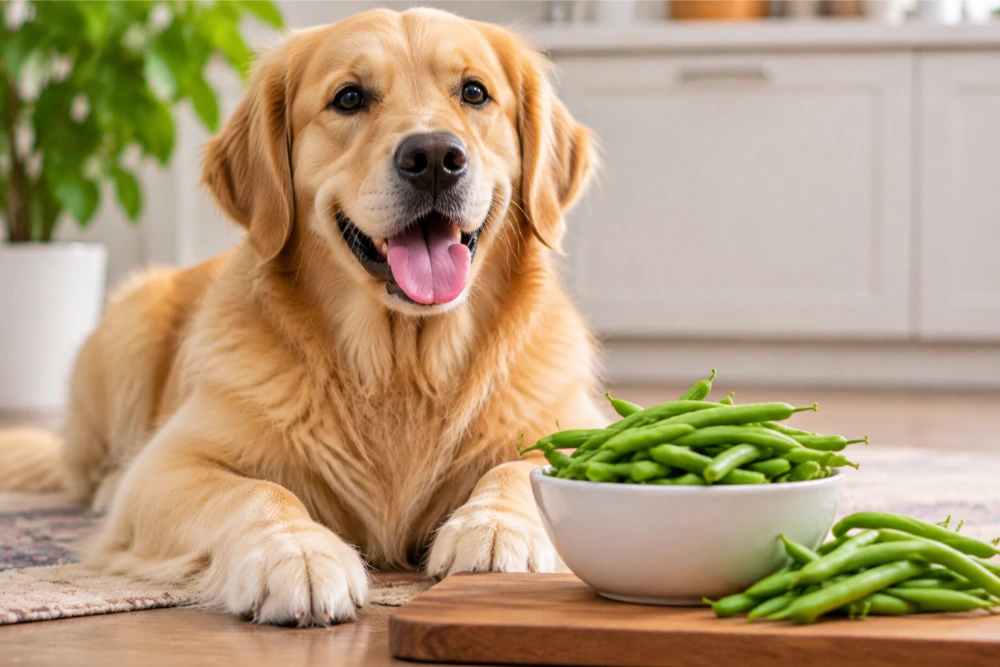
If your dog watches you prepare vegetables in the kitchen, you may wonder whether sharing a few green beans is a good idea. Green beans are a common household vegetable, but not every human food is suitable for dogs. The good news is that plain green beans are generally safe for most dogs when served in appropriate portions.
Green beans are low in calories, contain dietary fiber, and provide vitamins and minerals.
However, green beans are just one of several human foods that may be suitable for dogs when prepared correctly. Learn more about what human foods dogs can eat before sharing other foods with your pet.
They can be a useful alternative to high-calorie treats, especially for dogs that need to manage their weight. However, the way you prepare them matters. Green beans cooked with garlic, onions, butter, excessive salt, or rich sauces are not suitable for your pet.
Before adding green beans to your dog’s diet, it is important to understand their benefits, potential risks, serving sizes, and preparation methods. This guide explains how to feed green beans safely and when you should consult your veterinarian.
Quick Answer: Are Green Beans Good for Dogs?
Yes, dogs can eat plain green beans in moderation. Fresh, raw, steamed, boiled, and plain frozen green beans are generally suitable for healthy dogs when prepared correctly. Plain canned green beans without added salt or harmful ingredients can also be an option.
Green beans provide fiber and nutrients without adding many calories. However, they should remain an occasional treat or small food topper rather than replace your dog’s regular meals.
Here is a quick overview of what dog owners should know.
| Question | Answer |
| Are green beans safe for dogs? | Yes, when plain and properly prepared. |
| Can dogs eat raw green beans? | Yes, if washed and cut into manageable pieces. |
| Can dogs eat cooked green beans? | Yes, when steamed or boiled without harmful ingredients. |
| Can dogs eat canned green beans? | Yes, preferably no-salt-added varieties without seasonings. |
| Are green beans good for overweight dogs? | They can replace some higher-calorie treats as part of a balanced weight-management plan. |
| Can dogs eat green beans every day? | Small portions may be suitable, but daily feeding is not necessary. |
| Can green beans replace dog food? | No. They do not provide all the nutrients dogs need. |
What Are the Benefits of Green Beans for Dogs?
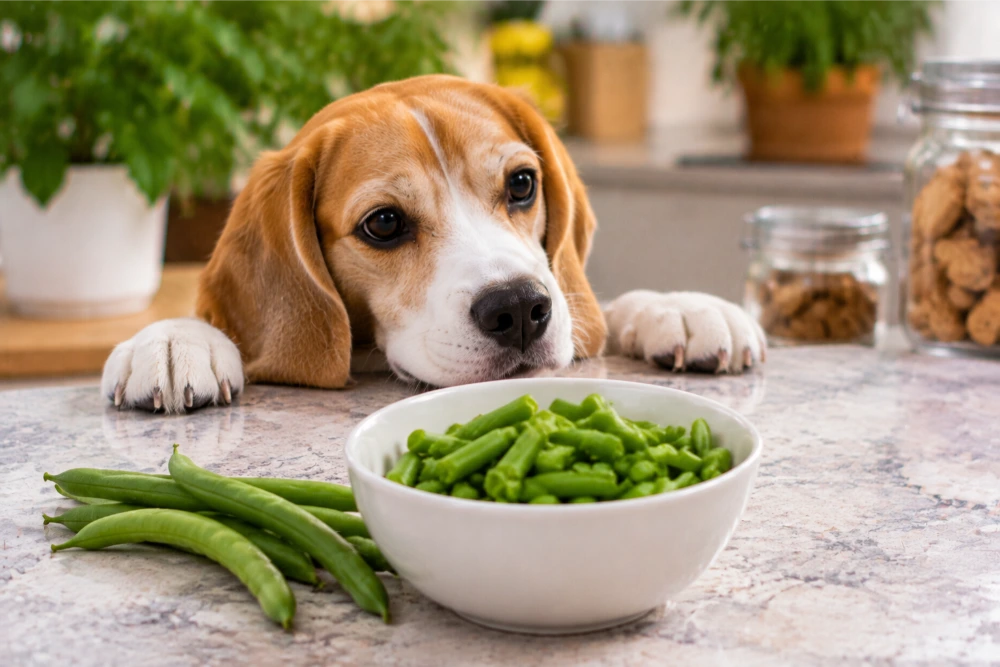
Green beans can add variety to your dog’s treat options while providing several useful nutrients. Although they are not essential to a dog’s diet, they can be a practical choice when offered in moderation.
1. Green Beans Are Low in Calories
One of the main reasons dog owners choose green beans is their relatively low calorie content. Compared with many commercial treats, plain green beans can provide a lighter snack.
This can be helpful if your dog frequently receives treats throughout the day. Replacing some calorie-dense snacks with small pieces of green beans may help you manage your dog’s overall calorie intake.
However, low-calorie food should not be treated as unlimited food. Large portions can still contribute to excessive intake and may cause digestive discomfort.
2. They Provide Dietary Fiber
Green beans contain dietary fiber, which supports normal digestive function. Fiber also adds bulk to food and may help some dogs feel satisfied after eating.
For dogs that need to manage their weight, this can make green beans a useful occasional addition to a veterinarian-approved feeding plan.
Too much fiber, however, can have the opposite effect on digestive comfort. Introducing large amounts suddenly may cause gas, bloating, or loose stools. Start with a small portion and observe how your dog responds.
3. They Contain Vitamins and Minerals
Green beans provide several nutrients, including vitamins A, C, and K, along with minerals such as manganese and potassium.
These nutrients contribute to normal bodily functions, including vision, metabolism, and other processes involved in maintaining health.
Nevertheless, green beans should not be considered a replacement for nutritionally complete dog food. A properly formulated diet already supplies the essential nutrients your dog requires. Green beans are best treated as an optional addition.
4. They Offer a Different Treat Texture
Some dogs enjoy the crunch of fresh green beans, while others prefer softer cooked vegetables.
Offering a small amount can provide variety without relying entirely on commercial snacks. Chopped green beans can also be used as a simple food topper when appropriate for your dog’s diet.
Not every dog will enjoy vegetables, and there is no need to force your pet to eat them. If your dog refuses green beans, another suitable treat may be a better option.
How Many Green Beans Can a Dog Eat?
The right serving size depends on your dog’s weight, age, activity level, calorie requirements, and overall health. A small dog will generally need a smaller portion than a large dog.
There is no single serving size that is appropriate for every dog. Start with a small amount and increase it only if your dog tolerates the vegetable well and the portion fits its overall diet.
As a general guideline, treats should account for no more than about 10% of a dog’s daily calorie intake. The remaining calories should come from a complete and balanced diet.
General Starting Portions for Dogs:
| Dog size | Suggested starting portion |
| Extra-small dogs | One small piece |
| Small dogs | One or two small pieces |
| Medium dogs | A few bite-sized pieces |
| Large dogs | A few additional pieces, depending on calorie needs |
| Extra-large dogs | A modest portion appropriate to their overall diet |
These are conservative starting suggestions rather than scientifically established daily limits. Your dog’s individual needs may differ.
Remember to count all treats together. If your dog already receives training treats, dental chews, or other snacks, those foods also contribute to its daily calorie intake.
Introduce green beans gradually. If your dog develops vomiting, diarrhea, excessive gas, or other concerning symptoms, stop feeding them and contact your veterinarian when appropriate.
Can Dogs Eat Raw Green Beans?
Yes, most healthy dogs can eat plain raw green beans. Fresh green beans provide a crunchy texture and do not need to be cooked before serving.
However, preparation is important. Wash the beans thoroughly, remove the stem ends and any tough strings, and cut them into manageable pieces.
Whole green beans may be difficult for small dogs or dogs that swallow food quickly. Cutting them into smaller pieces can reduce the risk of choking.
Raw vegetables may also be harder for some dogs to chew or digest. If your dog has dental problems, struggles with chewing, or has a sensitive digestive system, lightly steaming the beans may be a better option.
Always supervise your dog when introducing a new food, especially if it tends to gulp treats without chewing.
Can Dogs Eat Cooked Green Beans?
Yes, plain cooked green beans are generally safe for dogs. Steaming or boiling is an easy way to soften the vegetable without adding unnecessary ingredients.
Cooked green beans may be more suitable for senior dogs or pets with dental sensitivity because they are easier to chew.
Follow these steps when preparing them:
- Wash the green beans and trim the ends.
- Steam or boil them in plain water.
- Avoid adding salt, butter, oil, garlic, onions, or seasoning mixes.
- Allow the beans to cool before serving.
- Cut them into pieces appropriate for your dog’s size.
Never serve green beans while they are still hot. Avoid sharing seasoned vegetables from your own plate unless you are certain they contain only suitable ingredients.
Can Dogs Eat Frozen Green Beans?
Yes, plain frozen green beans can be a convenient option for dog owners. They are easy to store and require little preparation.
Check the packaging to ensure that the beans contain no added salt, sauces, seasonings, or other unsuitable ingredients.
Texture is also important. Large, hard frozen pieces may be inappropriate for small dogs, pets with dental problems, or dogs that swallow food quickly. Allowing the beans to thaw or soften can make them easier to chew.
For puppies, particularly very young puppies, consult your veterinarian before offering frozen vegetables as a teething snack. A suitable puppy teething toy may be a safer choice.
Can Dogs Eat Canned Green Beans?
Dogs can eat some canned green beans, but you should check the ingredient label before serving them.
Many canned vegetables contain added sodium, while some prepared products include seasonings or sauces that are unsuitable for dogs.
When choosing canned green beans:
- Select a no-salt-added variety whenever possible.
- Check the full ingredient list.
- Drain and rinse the beans to remove some residual sodium.
- Cut them into appropriate pieces before serving.
Avoid products containing garlic, onions, rich sauces, or other ingredients that could harm your dog.
If you cannot find a suitable canned product, plain fresh or frozen green beans are convenient alternatives.
Can Green Beans Help Dogs Lose Weight?

Green beans may help support weight management because they are low in calories and contain fiber. Replacing some higher-calorie treats with plain green beans can reduce the calories your dog receives from snacks.
However, green beans do not directly burn fat or guarantee weight loss. A dog’s weight depends on its overall calorie intake, activity level, health, and individual nutritional needs.
Simply adding green beans to your dog’s usual meals without adjusting anything else may increase its total food intake rather than help it lose weight.
What Is the Green Bean Diet for Dogs?
The green bean diet is an approach in which dog owners replace a substantial portion of their pet’s regular food with green beans to reduce calorie intake.
This approach should not be used without veterinary guidance. Green beans cannot provide the complete balance of protein, fats, vitamins, minerals, and other nutrients dogs require.
Protein-rich foods also play an important role in canine nutrition. Learn about the benefits and safety considerations of feeding salmon to dogs.
Replacing too much complete dog food with vegetables can lead to nutritional deficiencies, particularly if the practice continues over time. Growing puppies and dogs with medical conditions may be especially vulnerable to inappropriate dietary changes.
A safer weight-management plan includes:
- Measuring regular food portions accurately.
- Feeding an appropriate complete and balanced diet.
- Limiting high-calorie treats.
- Providing suitable physical activity.
- Monitoring body weight and condition.
- Working with a veterinarian to establish an appropriate calorie target.
Green beans may fit into this plan as a limited treat, but they should not replace a substantial portion of your dog’s food unless your veterinarian has designed a nutritionally appropriate feeding plan.
Are Green Beans Bad for Dogs? Risks to Consider
Green beans are generally safe for healthy dogs when served correctly, but some dogs may experience problems depending on the amount, preparation, or their existing health conditions.
Digestive Upset
Green beans contain fiber, and introducing too much too quickly may cause gas, bloating, loose stools, or diarrhea.
Begin with a small portion and observe your dog’s response. If digestive symptoms develop, stop offering the vegetable.
Contact your veterinarian if symptoms are severe or persistent, or if your dog experiences repeated vomiting, significant abdominal discomfort, or unusual lethargy.
Choking Risk
Whole green beans may be difficult for some dogs to chew, particularly small breeds, dogs with dental problems, and pets that gulp their food.
Cut the beans into appropriately sized pieces and supervise your dog while it eats. A vegetable that is safe to eat can still pose a choking risk if served in an unsuitable shape or size.
Harmful Seasonings and Added Fat
Green beans prepared for human meals may contain ingredients that are unsafe for dogs.
Onions and garlic are toxic to dogs and can damage red blood cells. Large amounts of fatty ingredients, including butter and oil, can also cause digestive problems and may contribute to serious conditions such as pancreatitis in susceptible dogs.
Avoid feeding your dog green bean casserole or leftover vegetables when you do not know exactly what they contain.
Added Sodium
Salted canned green beans and heavily seasoned vegetables are not ideal treats. Excessive sodium can be harmful, particularly for dogs with certain medical conditions.
Plain, no-salt-added products are a better choice.
Existing Health Conditions
Dogs with sensitive digestive systems, food allergies, medical conditions requiring dietary management, or prescription diets may need individualized feeding advice.
Even a generally safe vegetable may not be appropriate for every dog. Ask your veterinarian before introducing green beans if your dog has an existing health concern or follows a therapeutic diet.
How to Introduce Green Beans Into Your Dog’s Diet

If your dog has never eaten green beans before, introduce them gradually. This helps you identify whether your pet tolerates the vegetable without digestive discomfort.
Step 1: Choose plain green beans. Fresh, frozen, or suitable canned varieties can work. Avoid products containing added salt, sauces, garlic, onions, or seasonings.
Step 2: Prepare them properly. Wash fresh beans, trim the ends, and cut them into pieces appropriate for your dog’s size. Cook them without added ingredients if a softer texture is preferable.
Step 3: Offer a small portion. Begin with one or two small pieces, depending on your dog’s size. There is no need to offer a full serving immediately.
Step 4: Monitor your dog. Watch for gas, loose stools, vomiting, itching, or other unusual symptoms. Stop feeding the beans and consult your veterinarian if a concerning reaction occurs.
Step 5: Keep portions controlled. If your dog tolerates the vegetable, you can offer an appropriate amount occasionally. Include the beans in your dog’s overall treat and calorie allowance.
Step 6: Maintain a balanced diet. Continue feeding complete and balanced dog food as the main source of nutrition. Green beans should remain an optional addition rather than a substitute for essential nutrients.
Can Puppies Eat Green Beans?
Puppies can generally eat small amounts of plain green beans when the texture and serving size are appropriate for their age and chewing ability.
However, puppies are growing rapidly and have different nutritional requirements from adult dogs. Their main food must provide the energy and nutrients necessary for healthy development.
Treats should not replace a significant portion of their regular puppy food. Start with a small amount, prepare the beans carefully, and monitor for digestive upset.
If your puppy has a sensitive stomach, an existing health concern, or a special feeding plan, consult your veterinarian before introducing vegetables.
Can Dogs Eat Green Beans Every Day?
Some healthy dogs can eat small portions of plain green beans regularly, including daily, if they tolerate them well and their overall diet remains balanced.
However, daily feeding is not necessary. A complete and balanced dog food already provides the nutrients your pet needs, making green beans an optional treat rather than a dietary requirement.
If you plan to offer them daily, consider your dog’s total treat intake, calorie requirements, and medical history. Do not make substantial changes to a prescription diet without consulting your veterinarian.
What Should You Do If Your Dog Eats Too Many Green Beans?
If your dog eats more plain green beans than intended, it does not automatically mean an emergency will occur. However, a large quantity may cause digestive upset.
Watch for symptoms such as:
- Gas or bloating.
- Loose stools or diarrhea.
- Vomiting.
- Abdominal discomfort.
- Reduced appetite or unusual behavior.
Contact your veterinarian if symptoms are severe, persistent, or accompanied by lethargy or significant pain.
If the green beans contained garlic, onions, excessive salt, or rich sauces, contact your veterinarian promptly for advice. Do not wait for symptoms if you suspect your dog has eaten a potentially toxic ingredient.
If your dog is choking, struggling to breathe, collapsing, or showing other severe symptoms, seek emergency veterinary care.
Frequently Asked Questions:
The Bottom Line:
Green beans can be a healthy, low-calorie treat for most dogs when served plain and in appropriate portions. Fresh, raw, steamed, boiled, frozen, and suitable no-salt-added canned varieties can all be options when prepared safely.
Their fiber and nutrient content makes them a useful addition to a dog’s treat rotation, and they may help owners reduce reliance on higher-calorie snacks. However, green beans are not essential to a dog’s diet and cannot replace complete and balanced dog food.
Choose plain beans, cut them into manageable pieces, introduce them gradually, and monitor your dog for digestive problems. If your dog has an existing medical condition, follows a prescription diet, or needs to lose weight, consult your veterinarian before making dietary changes.
With sensible portions and proper preparation, green beans can be an enjoyable occasional snack without compromising your dog’s nutritional needs.
This article is for general informational purposes and is not a substitute for veterinary advice.